In this article
Riyadh summers are hard on materials. The sun is intense for long hours, the air is dry, and in some seasons the gap between midday heat and late-night cool is wide. A pool lives through all of this, with part of it underwater, part exposed to sun, and a plant room that may sit somewhere very hot. Many leaks appear or grow during the hot months. This article focuses on that link between climate and leaks, and why a Riyadh pool needs a different prevention approach from a pool in a mild climate.
What heat does to pool materials
- Concrete expands in heat and contracts as it cools; without joints designed for that movement, hairline cracks form and widen.
- Tiles and grout expand at a different rate from the concrete beneath, stressing the adhesive layer, especially at the waterline.
- Waterproofing products can lose flexibility if exposed to direct sun during application or after draining.
- Exposed plastic pipes in the plant room or on roofs suffer from UV and heat, and glued joints may weaken.
- Rubber seals in pumps, filters and valves dry out and harden faster in hot rooms.
The expansion cycle and how it lets water out
The problem is not just high heat but repetition. Exposed surfaces heat up and cool down every day, and that small repeated movement is like bending a wire until it snaps. The most exposed zone is the band of wall just above and below the waterline.
A special case is draining the pool in summer. Once empty, the floor and inner walls face direct sun after being protected by water, and their temperature rises quickly. A long, unprotected drain can damage tiles and waterproofing that were sound beforehand.
Which seasons put your pool most at risk?
| Period | What happens | What to watch |
|---|---|---|
| Peak summer | Long hours of heat and high evaporation | Level drop, waterline grout, plant room joints |
| Summer to winter transition | Large day to night swings | New hairline cracks and hollow tiles |
| Winter | Cool nights, dry air, little use | Neglected maintenance, scale and dust |
| Dust season | Sand and dust in water and filter | Clogged filter and higher pressure on joints |
Signs of a heat-related leak
- New horizontal hairline cracks near the waterline.
- Crumbling or cracked grout only in the upper band.
- Drips or white salts around pump and filter joints in a hot plant room.
- A bigger level drop than last summer in similar conditions.
- Damp on the sunny side of the deck more than elsewhere.
Do not assume it is only evaporation. Our guide on why pool levels drop shows how to order the diagnosis.
Practical prevention in a hot climate
- Keep the level correct so walls are not exposed and the pump never runs short of water.
- Shade and ventilate the plant room to extend the life of seals and joints.
- Protect exposed pipes with a cover or suitable coating.
- Balance the water, since unbalanced water attacks grout. Keep pH around 7.2 to 7.6 and watch alkalinity.
- Check joints and grout before and after summer and treat small cracks early.
- Schedule repair work for cooler hours, because applying waterproofing or adhesive in midday heat weakens the bond.
- Avoid draining at peak heat unless work starts immediately.
Repairs suited to Riyadh's climate
A proper repair starts with locating the source, then choosing materials that handle heat. At YAM Pools we focus on the following.
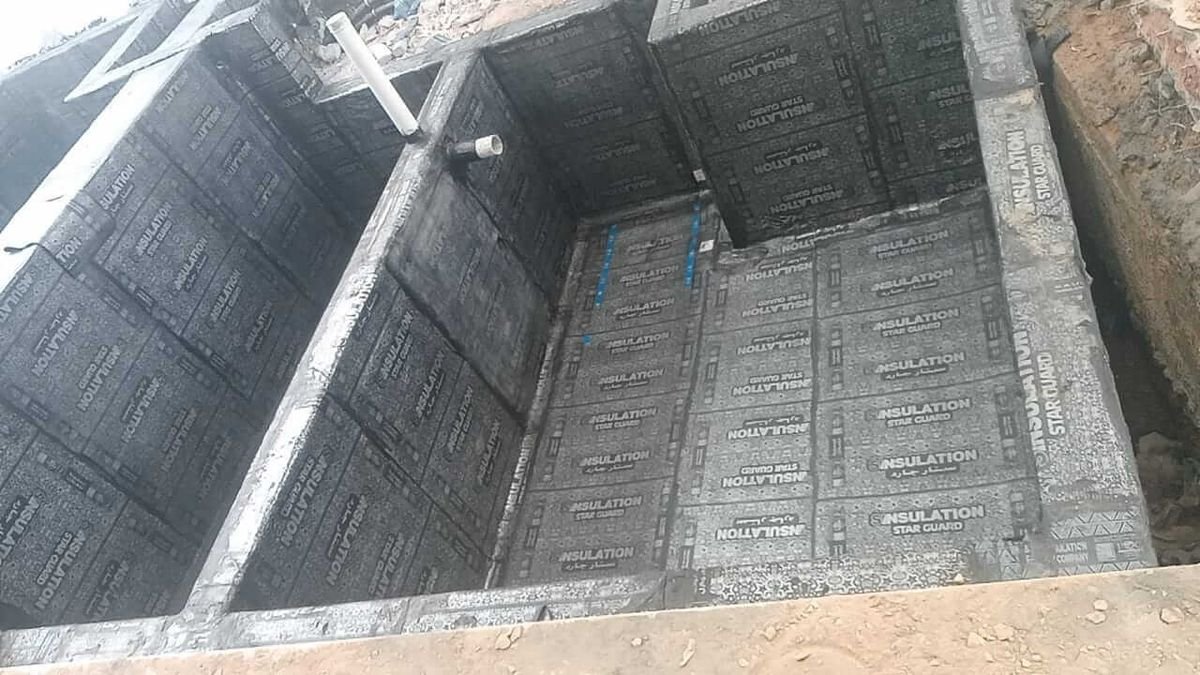
- Flexible waterproofing rated for submerged use, with reinforced corners and joints.
- Real movement joints with flexible sealant at the waterline and between pool and deck.
- Chlorine and heat resistant grout and adhesive from one compatible system.
- Timing work for cooler hours and protecting surfaces while curing.
- Post-repair testing to confirm the loss has stopped.
After a site visit we provide a written quotation and a written warranty on workmanship and waterproofing, serving Riyadh and every Saudi city facing similar heat. See our leak detection and repair service.
- A steady, correct water level.
- A shaded, ventilated plant room.
- Grout and joint checks before and after summer.
- Balanced water chemistry.
- No draining in the heat without a plan.
Frequently asked questions
Does heat alone cause pool leaks?
Rarely on its own, but it accelerates material fatigue and exposes any weakness in workmanship or joints. A pool built with suitable materials and proper joints copes with summer far better.
Should I drain my pool in summer for maintenance?
Avoid draining at peak heat unless work starts right away, because exposed surfaces heat quickly and tiles and waterproofing can suffer.
Does shading reduce leaks?
Shade lowers surface temperature and evaporation and eases the expansion cycle, so it helps prevention, but it will not fix an existing leak.
When should I inspect my pool before summer?
Check grout, joints and plant room connections before the heat arrives, then look again after summer since some damage shows up later.