In this article
Seeing a crack in a pool wall or floor worries any homeowner, and understandably so. But cracks are not all equally serious. Some sit in the finish layer and do not affect the shell. Others run into the concrete and point to movement, pressure or corrosion that must be treated at its root. The difference decides whether the pool needs a full drain. This article explains the difference, the warning signs and what happens after draining.
Types of cracks in a concrete pool
A concrete pool has layers, from the outside in: reinforced concrete, a levelling layer, waterproofing, then adhesive and tiles or finish. A crack can sit in any of them:
| Type | Description | Usual severity |
|---|---|---|
| Hairline finish cracks | Fine lines in grout or surface render | Low, but monitor |
| Tile cracks | Broken tile from impact or weak bond | Low to medium |
| Levelling layer cracks | Linked to hollow or loose tiles | Medium |
| Structural cracks | Reach the concrete, often directional and widening | High |
Surface cracks: do they need draining?
Usually not. Hairline cracks in grout or finish come from normal material shrinkage, large day-night temperature swings or unsuitable grout. They do not directly affect the concrete, but left for long they let water into the layers below. Treatment is usually local, sometimes just by lowering the water level if the crack is near the surface, or with repair products designed for underwater use in limited cases. The technician must first confirm the crack really is superficial.
Signs of a structural crack that call for draining
A structural crack cannot be fixed from above. It has to be reached, cleaned, checked for depth and for the condition of the steel around it, then treated and re-waterproofed, all of which needs a full drain. Key signs:
- The crack widens or lengthens over time.
- A continuous line across several tiles, not one broken tile.
- Water loss linked to the crack area, sometimes stopping at a level below it.
- A height difference between the two sides of the crack.
- Rust stains or brown marks around it, meaning water has reached the reinforcement.
- Cracks in surrounding decks or walls in the same direction, suggesting soil movement.
Why structural cracks appear
Treating a crack without addressing its cause brings it back. Common causes include soil settlement or movement under the pool, often after an old leak soaked the ground; corrosion of reinforcement that expands and breaks the surrounding concrete; weak original construction such as poor concrete or thin cover over the steel; an earlier unplanned drain that exposed the shell to soil or groundwater pressure; and thermal movement in sun-exposed pools, especially without expansion joints in the surrounding deck. These causes often feed each other: a small neglected leak wets the soil, the soil moves, the shell cracks and the leak grows. See pool cracks and water leaks.
How inspection works after draining
- Clean the crack area and remove tiles and finish to expose the concrete.
- Record length, width and direction with photos.
- Check depth to see whether it passes through the wall or floor.
- Inspect the steel around it for rust and section loss.
- Tap the surrounding concrete to find loose areas.
- Relate the findings to the site: soil, plumbing and surrounding decks.
The inspection result decides the treatment, not the other way round.
How structural cracks are treated
- Open and clean the crack so repair materials can penetrate.
- Treat corroded steel by removing rust and protecting it, or reinforce it if loss is significant.
- Inject or fill the crack with structural repair materials suited to its type.
- Rebuild damaged concrete around it with repair mortar.
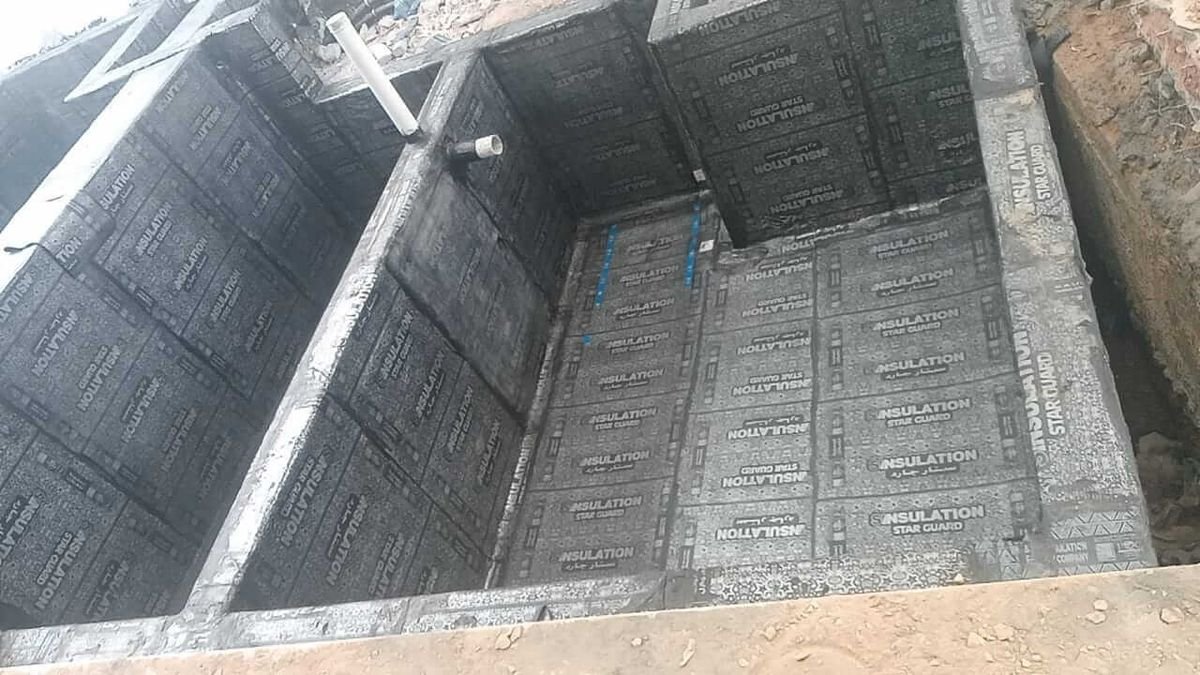
- Re-waterproof the area, often the whole shell if the old waterproofing is weak.
- Run a fill test and monitor the level before retiling.
If soil movement is the cause, it must be addressed too, for example by fixing the leak that wet the soil or improving drainage around the pool.
When to call a specialist
Call promptly if a crack widens, if water loss is linked to it, or if you see rust stains or a level difference. Do not fill it with off-the-shelf products before knowing its type; that can hide the problem and complicate diagnosis. YAM Pools assesses cracks during the site visit, explains whether draining is needed, and provides a written treatment plan with engineering supervision and a written warranty on workmanship and waterproofing, in Riyadh and across Saudi Arabia.
Frequently asked questions
How do I know if a crack is structural rather than superficial?
A structural crack usually runs across several tiles in a line, widens over time and may come with water loss or rust stains. Confirmation comes from a professional inspection.
Are structural cracks dangerous for the pool?
Yes if left, because they let water reach the steel and corrode it, and they increase leakage and soil movement, so the damage grows.
Can a structural crack be repaired without draining?
Usually not, because treatment needs access to the concrete, a steel check and re-waterproofing on a dry surface. Only surface cracks can be treated without a full drain.
Should I monitor the crack myself first?
You can mark and date it to watch for change, but if water loss or rust is present, do not wait. Request an inspection right away.